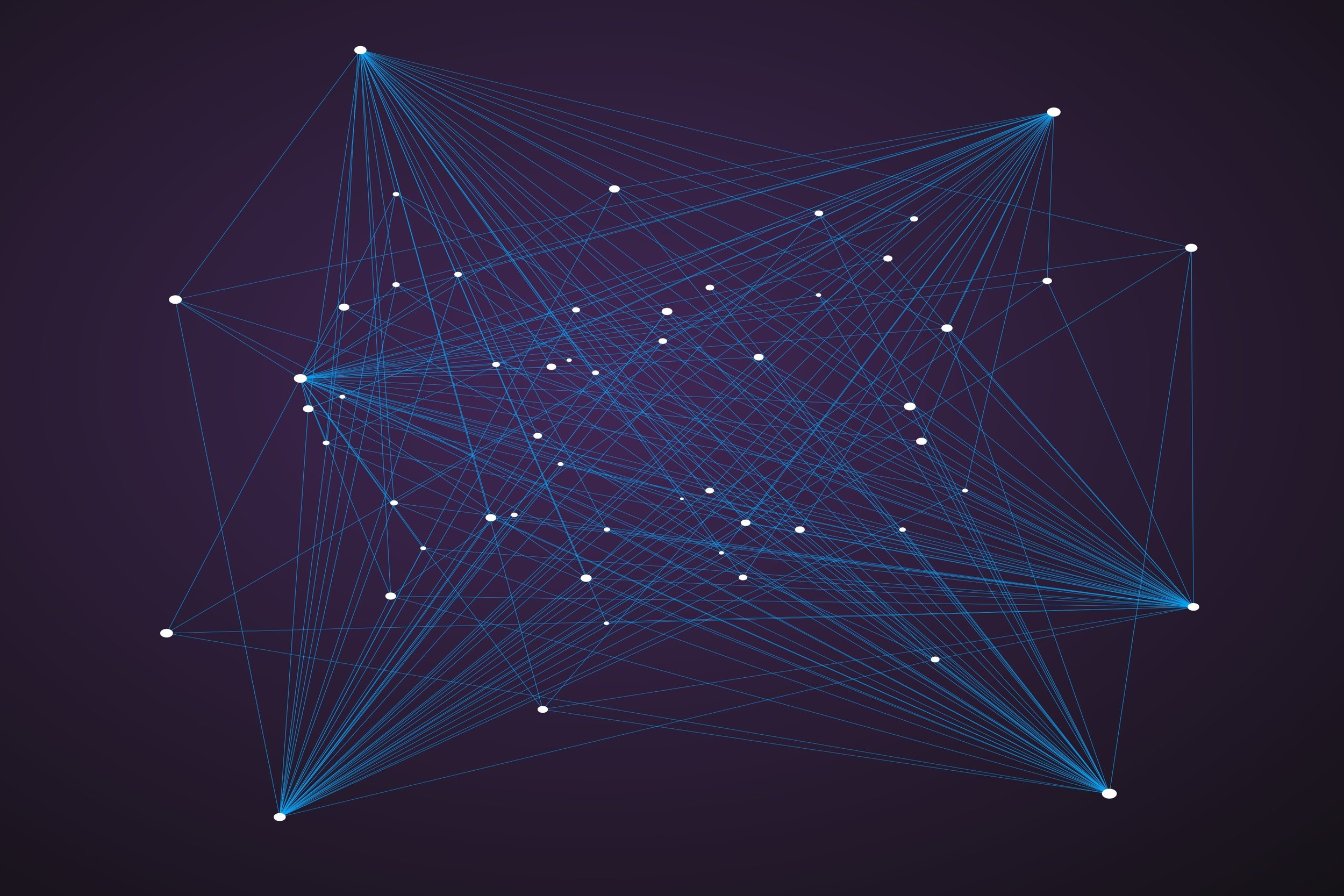
Formally defined, a pattern is
a set of relationships that are satisfied by observations of a system or a collection of systems
a simple kind of emergent property of a system, where the pattern is a property of the system as a whole but is not a property of small parts of the system.
a property of a system that allows its description to be shortened as compared to a list of the descriptions of its parts.
A simple type of pattern is a repeating structure in space, like the patterns often found on wallpaper or tiles. Shifting one's view by one repeat length results in seeing the same thing. There are also repeating patterns in time, like the seasons. A pattern can have repetitions in both space and time, such as persistent behaviors like hurricanes.
A pattern can also be a prototype or exemplar, such as the "pattern" we use to make a dress. In this case the pattern is not about the relationships within the dress, but about the possibility of repeating the dress many times. Here, the repetition exists across multiple systems, the collection of dresses made from the same pattern, rather than within a single system.
The relationship between the pattern as repetition and the pattern as prototype is just like the relationship between two types of emergent properties: those that arise from relationships between parts of a system, and those that arise from relationships between the system and its environment.
Patterns, such as repetition of tiles or seasonal cycles, represent a form of relationship, between different places or times. Other types of relationships also indicate patterns.
In a description of a system, repetition corresponds to a redundancy: saying the same thing again and again. When there is redundancy we can shorten the description by saying the repeated part only once and indicating how many times it is repeated. This makes it possible to shorten the overall description.
How patterns form (pattern formation) and how they are recognized by the brain (pattern recognition) are important areas of study in complex systems.
Related concepts: relationships, pattern formation, pattern recognition, emergence, scale
Copyright © 2011 Yaneer Bar-Yam All rights reserved.